
In my quest for quick and satisfying meals, I stumbled upon a delightful gem: No-Knead Turkish Bread. As I stood in my kitchen, the warm aroma wafting through the air, I realized this simple flatbread isn’t just another recipe—it’s a gateway to a world of flavor and comfort. Perfect for dipping, wrapping, or even as a standalone snack, this bread is incredibly versatile. What makes it even better? The ease of preparation—you can whip it up in under two hours, impressing family and friends with minimal effort. Plus, it’s a healthier alternative to store-bought options, making it an essential recipe for anyone looking to elevate their homemade meals. Curious about how to achieve that airy, soft texture that makes Turkish bread so irresistible? Let’s dive into this delicious adventure together!
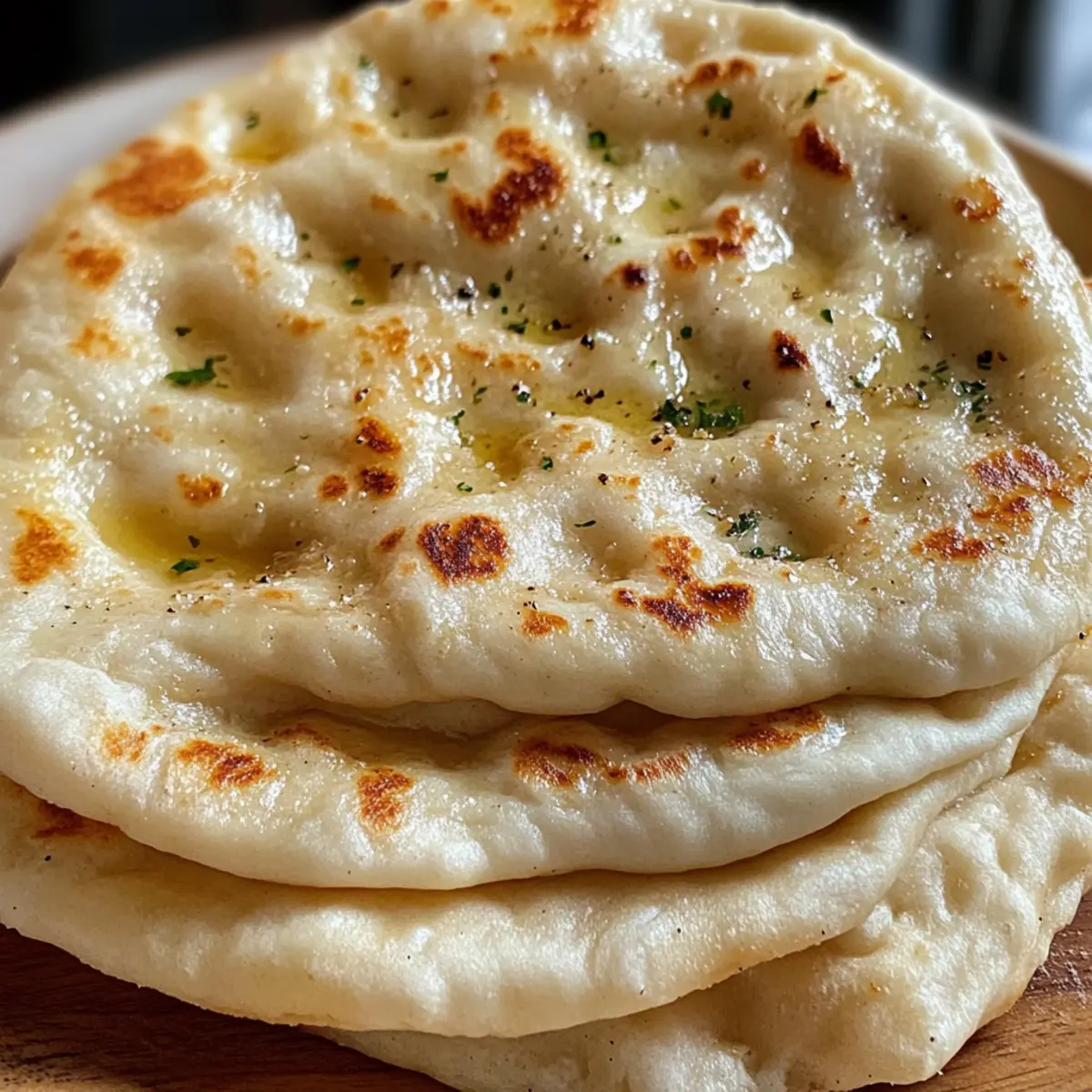
Why Is No-Knead Turkish Bread a Must-Try?
Simplicity is key with this No-Knead Turkish Bread, making it accessible for all skill levels. Flavor-packed richness elevates ordinary meals, versatile enough to complement any cuisine. Time-saving preparation fits perfectly into busy schedules—ready in under two hours! Crowd-pleaser potential makes it ideal for gatherings, whether dipping or wrapping savory delights. Pair it with Monkey Bread From for a fun meal experience or serve alongside hearty dishes like butter chicken for a satisfying feast!
No-Knead Turkish Bread Ingredients
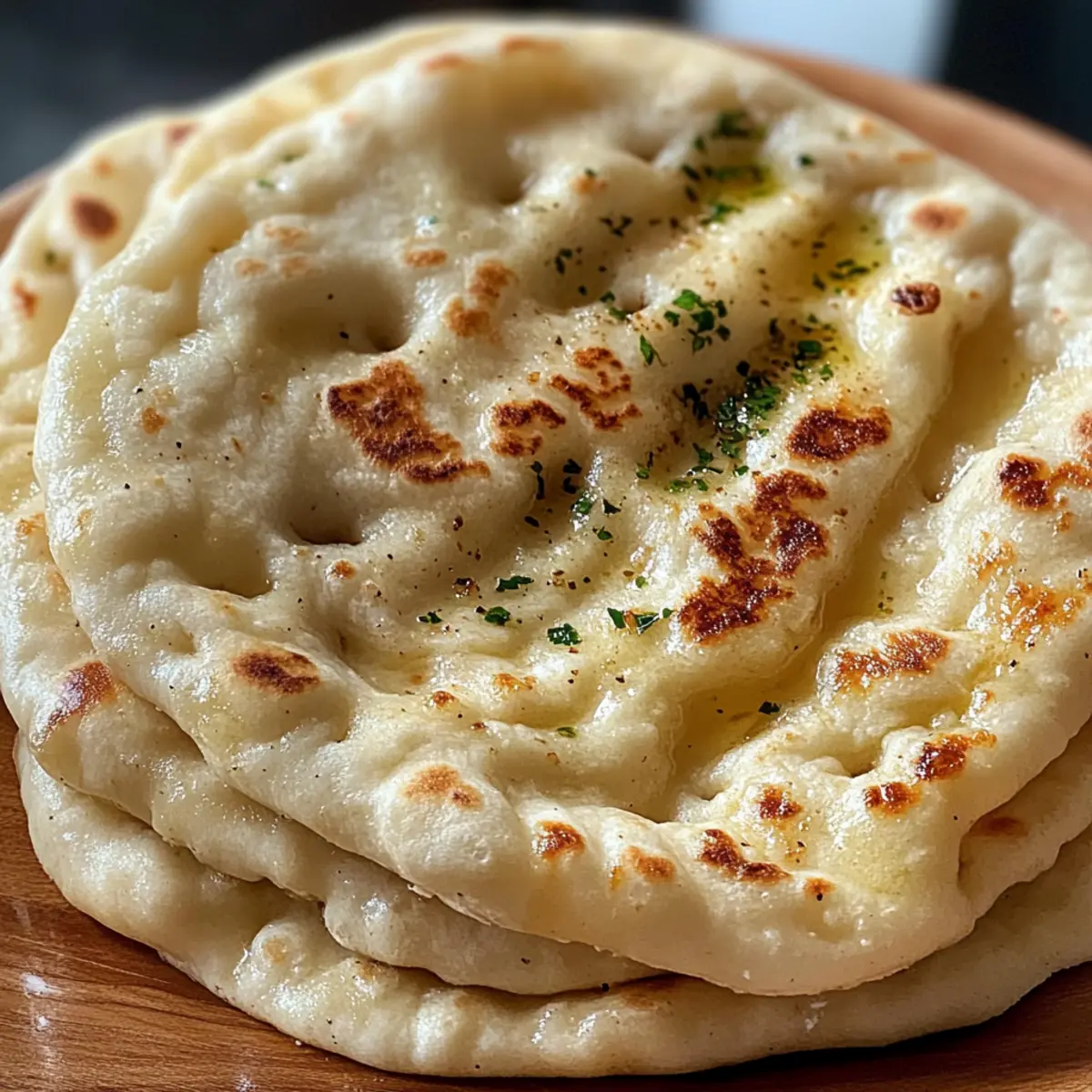
This delightful no-knead Turkish bread will have you swooning over its soft texture and flavor.
For the Dough
- Bread Flour/All-Purpose Flour – Provides structure and chewiness; substitute with whole wheat flour for a healthier option.
- Warm Milk – Adds moisture and richness; can be replaced with water or non-dairy milk to make it vegan.
- Warm Water – Essential for hydrating the flour and activating the yeast; ensure it’s warm but not hot.
- Instant Dry Yeast – The leavening agent that causes the bread to rise; don’t replace with active dry yeast without adjusting for activation time.
- Sugar – Feeds the yeast and enhances the flavor; feel free to use honey or agave syrup instead.
- Salt – Balances the flavor and regulates yeast activity; essential for a tasty bread.
Optional Add-ins
- Melted Unsalted Butter/Olive Oil – Adds flavor and moisture to the crust; coconut oil is a great dairy-free substitute.
- Chopped Parsley – Adds freshness and color; skip if you’re in a pinch, but it’s a lovely touch!
This easy recipe promises a scrumptiously fluffy no-knead Turkish bread that’s perfect for dipping or wrapping your favorite fillings!
Step‑by‑Step Instructions for No-Knead Turkish Bread
Step 1: Prepare the Yeast Mixture
In a medium mixing bowl, combine 1 cup of warm milk, 1 cup of warm water, 2 tablespoons of sugar, and 2 teaspoons of instant dry yeast. Stir gently until the yeast is dissolved and let it sit for about 5 minutes until it becomes frothy, indicating the yeast is activated. This step is crucial for achieving that fluffy texture in your No-Knead Turkish Bread.
Step 2: Mix the Dough
Once the yeast mixture is frothy, add 4 cups of bread flour and 2 teaspoons of salt to the bowl. Mix with a wooden spoon or spatula until a rough dough forms. This no-knead process means you won’t have to work the dough by hand; just ensure everything is well combined and there are no dry flour patches.
Step 3: Let the Dough Rise
Cover the mixing bowl with a clean kitchen towel or plastic wrap to keep the warmth in. Allow the dough to rise in a warm location for 1 hour, or until it doubles in size. You’ll know it’s ready when the surface is bubbly and puffy, showcasing that airy texture of your No-Knead Turkish Bread.
Step 4: Shape the Bread
After the dough has risen, turn it out onto a lightly floured surface. Divide it into 6 equal pieces, shaping each piece into a round ball and flattening slightly. Allow the dough balls to rest on the surface, covered with a cloth, for about 10 minutes. This resting phase helps the gluten relax, making it easier to roll out later.
Step 5: Roll Out the Dough
Using a rolling pin, roll each dough ball into an 18cm round about 5mm thick. Make sure to keep your work surface slightly floured to avoid sticking. During this step, you can feel the dough’s elasticity; it should be soft but hold its shape.
Step 6: Cook the Flatbreads
Preheat a nonstick skillet over medium heat for about 2-3 minutes. Carefully place one rolled flatbread in the skillet and cook for 2-3 minutes until it puffs up and turns golden brown. Flip it over and repeat on the other side. You’ll know it’s ready when you see blisters forming on the surface and a lovely brown color.
Step 7: Finish and Serve
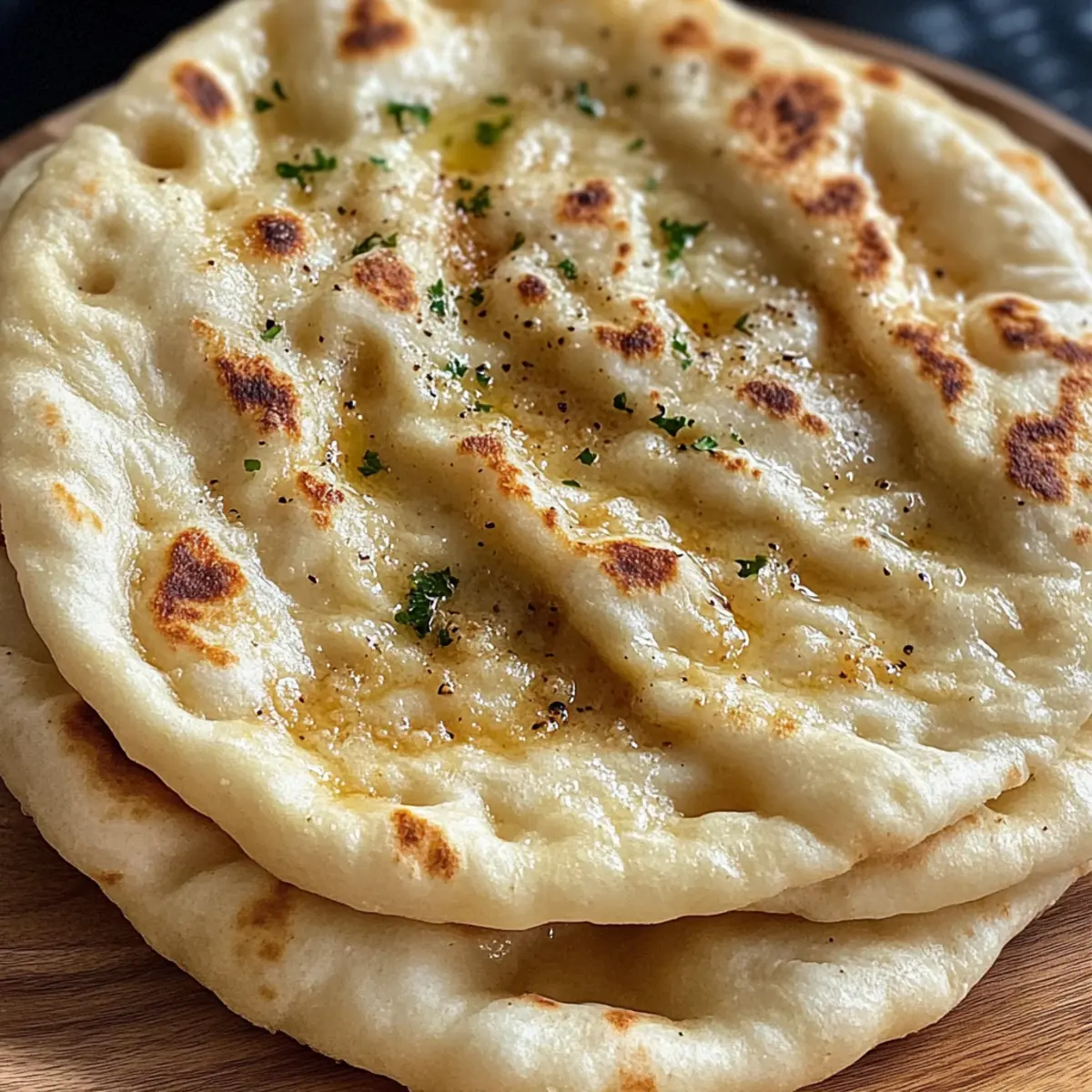
Once cooked, remove the flatbread from the skillet and keep it warm in a cloth to maintain softness. Optionally, you can brush each piece with melted butter or olive oil and sprinkle with chopped parsley for an added flavor boost. Your No-Knead Turkish Bread is now ready to be served warm, perfect for dipping or wrapping!
Make Ahead Options
These No-Knead Turkish Bread are a fantastic choice for busy home cooks looking to save time! You can prepare the dough up to 24 hours in advance by completing steps one through three, then refrigerating the risen dough covered with plastic wrap to maintain moisture. When you’re ready to cook, simply take the dough out, let it come to room temperature for about 30 minutes, and shape and roll it out as instructed. If you’d like to enjoy the flatbreads later, you can cook them all at once, let them cool, and store them in an airtight container for up to 3 days at room temperature. Reheat the flatbreads on a skillet for a minute on each side for that freshly baked flavor. Your No-Knead Turkish Bread will taste just as delicious, saving you precious time in the kitchen!
Expert Tips for No-Knead Turkish Bread
- Watch the Temperature: Make sure your milk and water are warm, not hot. Too hot can kill the yeast, preventing the bread from rising.
- Let It Rise: Always allow the dough to rise until it doubles in size. Rushing this step leads to dense bread, rather than light and airy no-knead Turkish bread.
- Preheat Properly: Ensure your skillet is adequately preheated before cooking each flatbread. This helps achieve that beautiful puff and golden brown color.
- Cover After Cooking: Keep the freshly cooked flatbreads covered with a kitchen towel to maintain their softness while you finish the batch.
- Experiment with Flavors: Don’t hesitate to add herbs or spices to the dough for a unique twist on your no-knead Turkish bread!
No-Knead Turkish Bread Variations
Customize your No-Knead Turkish Bread to create a unique experience bursting with flavor and texture.
-
Whole Wheat Option: Substitute half of the bread flour with whole wheat flour for a nutty taste and added nutrients. This variation gives a richer flavor and denser texture, making it perfect for wholesome meals.
-
Non-Dairy Twist: Replace warm milk with almond or soy milk to make it vegan-friendly while still keeping it deliciously moist. This ensures anyone can enjoy your bread without dietary restrictions.
-
Herbed Delight: Incorporate herbs like rosemary or thyme into the dough for a fragrant and flavorful twist. It elevates the bread to new heights, making it a fantastic accompaniment to dishes like roasted veggies.
-
Spiced Variation: Mix in a teaspoon of cumin or paprika to give your flatbread a warm, spicy kick. This subtly transforms it into a beautiful side for curries or stews, inviting an explosion of flavors with each bite.
-
Cheesy Bliss: Add shredded cheese, like mozzarella or feta, into the dough for a savory surprise. Not only does it melt beautifully, but it also adds a delightful richness that pairs wonderfully with marinara or pesto.
-
Sweet Version: For a breakfast or dessert twist, infuse the dough with cinnamon and sugar, and serve it with honey or jam. This makes your Turkish bread an inviting choice for brunch gatherings.
-
Puffiness Booster: For an extra puff, try letting the rolled dough rest longer before cooking. This results in an airy flatbread that’s ideal for stuffing or soaking up your favorite dips.
-
Flavorful Dips: Serve your finished Turkish bread with various dips, such as hummus, tzatziki, or garlic yogurt sauce for a delightful fusion meal experience. This not only enhances the bread but also complements virtually any meal setting.
Feel free to explore these variations and even substitute ingredients in your own unique ways as you bake. Whether you’re pairing it with dishes like Monkey Bread From or serving it warm alongside a savory stew, your No-Knead Turkish Bread will surely impress!
What to Serve with Easy Homemade Turkish Flatbread?
Imagine a feast where flavors meld beautifully around soft, pillowy bread, inviting you to savor every bite.
-
Hummus: A creamy, tangy dip that perfectly complements the airy texture of the flatbread, creating a delightful balance of flavors.
-
Grilled Chicken Shawarma: Juicy and spiced meats nestled in the flatbread create a satisfying, handheld meal that’s bursting with flavor.
-
Greek Tzatziki: This cool and refreshing yogurt dip adds a zingy contrast, enhancing your flatbread experience with every creamy bite.
-
Roasted Vegetables: Colorful, caramelized veggies add warmth and heartiness, providing a satisfying crunch and depth alongside the soft flatbread.
-
Baba Ganoush: The smoky notes of this eggplant dip offer a rich and flavorful option, making for a delightful dip that pairs exceptionally well.
-
Spinach and Feta Wrap: Stuff your flatbread with this savory filling for a delightful bite that blends fresh greens with creamy feta.
-
Tabbouleh Salad: A light, herby salad that adds freshness and brightness, balancing the richness of any filling you choose to add.
-
Sparkling Water with Lemon: A refreshing drink that cleanses the palate, making each bite of your meal feel even more vibrant.
Dive into these pairings and elevate your meal with the delicious versatility of No-Knead Turkish Bread!
How to Store and Freeze No-Knead Turkish Bread
Room Temperature: Keep the flatbread in an airtight container for up to 2-3 days; this helps maintain its softness and freshness.
Fridge: If you need to store it longer, the refrigerator can help extend its lifespan to about a week, but it may lose some of its moisture. Wrap it in plastic wrap.
Freezer: For extended storage, freeze the flatbread in an airtight container or freezer bag for up to 3 months. Thaw at room temperature before reheating.
Reheating: To enjoy your No-Knead Turkish Bread warm, heat it in a skillet over medium heat for 1-2 minutes per side, or in a preheated oven at 350°F (175°C) for about 5 minutes.
No-Knead Turkish Bread Recipe FAQs
How do I choose the right flour for No-Knead Turkish Bread?
Choosing the right flour is essential for achieving the desired texture in your No-Knead Turkish Bread. I recommend using bread flour for its high protein content, which provides structure and chewiness. However, you can opt for all-purpose flour if that’s what you have on hand. For a healthier alternative, consider using whole wheat flour, which will lend a nuttier flavor and denser texture.
How should I store my No-Knead Turkish Bread?
To keep your No-Knead Turkish Bread fresh, store it in an airtight container at room temperature for up to 2-3 days. If you need to prolong its shelf life, you can refrigerate it for about a week, but this may lead to a slight loss of moisture. For even longer storage, wrap the flatbread in plastic wrap and place it in a freezer bag. It can be frozen for up to 3 months! Just remember to thaw it at room temperature before reheating.
Can I freeze No-Knead Turkish Bread?
Absolutely! Freezing your No-Knead Turkish Bread is an excellent way to preserve its deliciousness for later. After cooking, allow the flatbread to cool completely. Then, wrap each piece individually in plastic wrap and place them in an airtight container or a freezer bag. When you’re ready to enjoy them, simply thaw the flatbread at room temperature and reheat it in a skillet or a preheated oven at 350°F (175°C) for about 5 minutes.
What should I do if my No-Knead Turkish Bread doesn’t puff up while cooking?
If your flatbread isn’t puffing up as expected, there may be a couple of reasons. Firstly, check that your skillet is adequately preheated—this should take about 2-3 minutes over medium heat. If the pan is too cool, the yeast won’t activate properly, and the bread may not rise. Additionally, ensure that your dough has risen sufficiently during the first rise, doubling in size before you shape it. If it still doesn’t puff, don’t worry; it will still taste great!
Can I make modifications to the No-Knead Turkish Bread for dietary restrictions?
Certainly! To make your No-Knead Turkish Bread dairy-free, simply substitute warm milk with your favorite non-dairy milk or water. For those who are gluten-sensitive, I recommend experimenting with gluten-free flour blends—you may not get the same chewy texture, but it can still be delicious. Just pair it with the right dips to create an enjoyable meal!
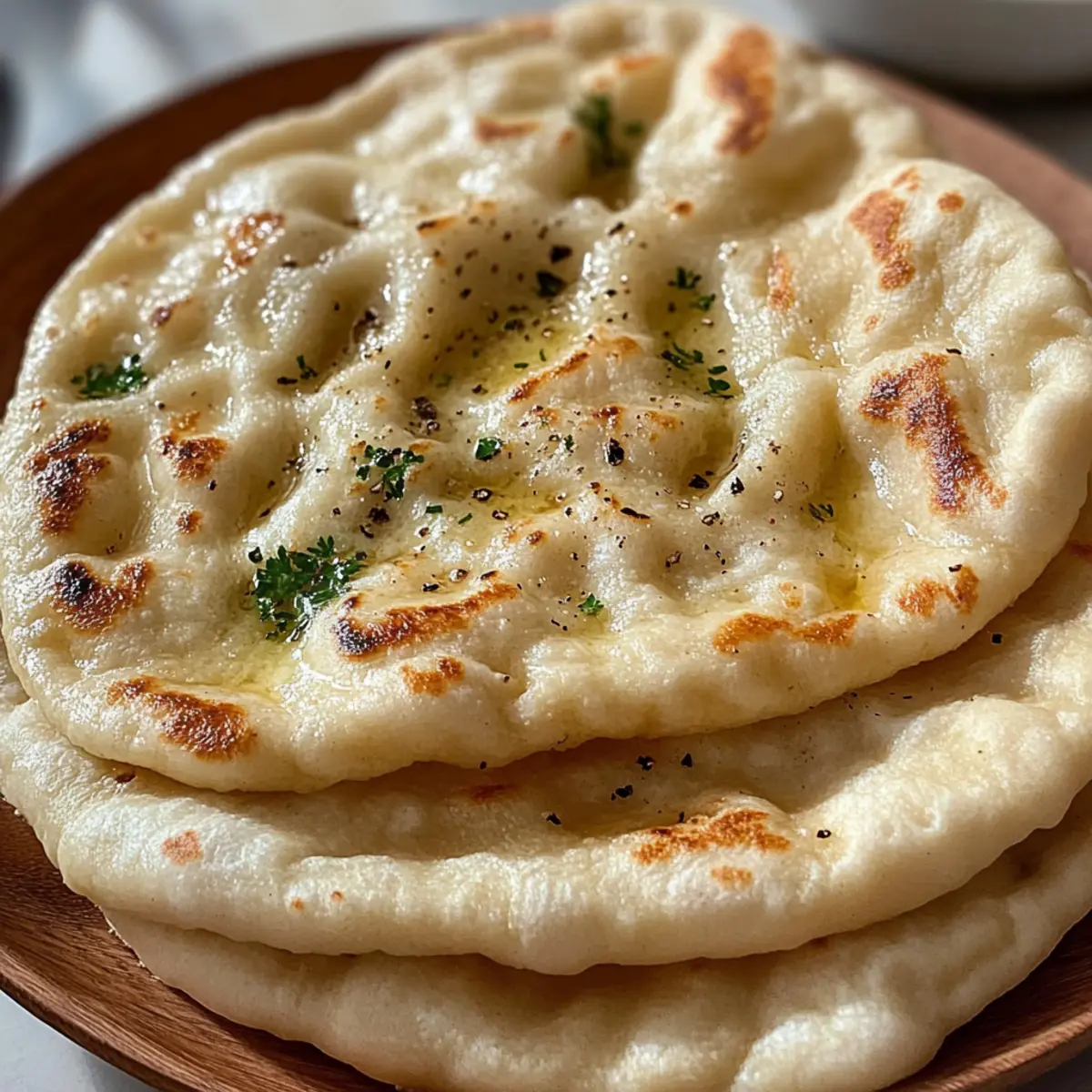
Soft and Delicious No-Knead Turkish Bread You’ll Love
Ingredients
Equipment
Method
- In a medium mixing bowl, combine warm milk, warm water, sugar, and instant dry yeast. Stir gently until dissolved and let sit for about 5 minutes until frothy.
- Add bread flour and salt to the yeast mixture. Mix until a rough dough forms, ensuring there are no dry flour patches.
- Cover the bowl and let the dough rise in a warm location for 1 hour, or until it doubles in size.
- Turn the risen dough onto a floured surface, divide into 6 pieces, and shape each into a ball. Let rest for 10 minutes.
- Roll each dough ball into an 18cm round about 5mm thick, ensuring the surface is floured to avoid sticking.
- Preheat a nonstick skillet over medium heat for 2-3 minutes. Cook each flatbread for 2-3 minutes on each side until puffed and golden.
- Keep the cooked flatbreads warm in a cloth. Optionally brush with melted butter or olive oil and sprinkle with parsley before serving.
Leave a Reply