
“Let’s face it: winter can feel a bit gray, but the vibrant colors of Healthy Sautéed Vegetables transform any dish into a feast for the eyes. This quick recipe is ideal for those bustling weeknights when you want something nutritious without the fuss. Packed with nutrients and bursting with seasonal flavors, these vegetables shine as a delightful side or a stand-alone dish brimming with goodness. With its easy prep and array of ingredient options, you can tailor this medley to suit your tastes or what’s fresh at the market. Ready to brighten up your dinner plate tonight?”
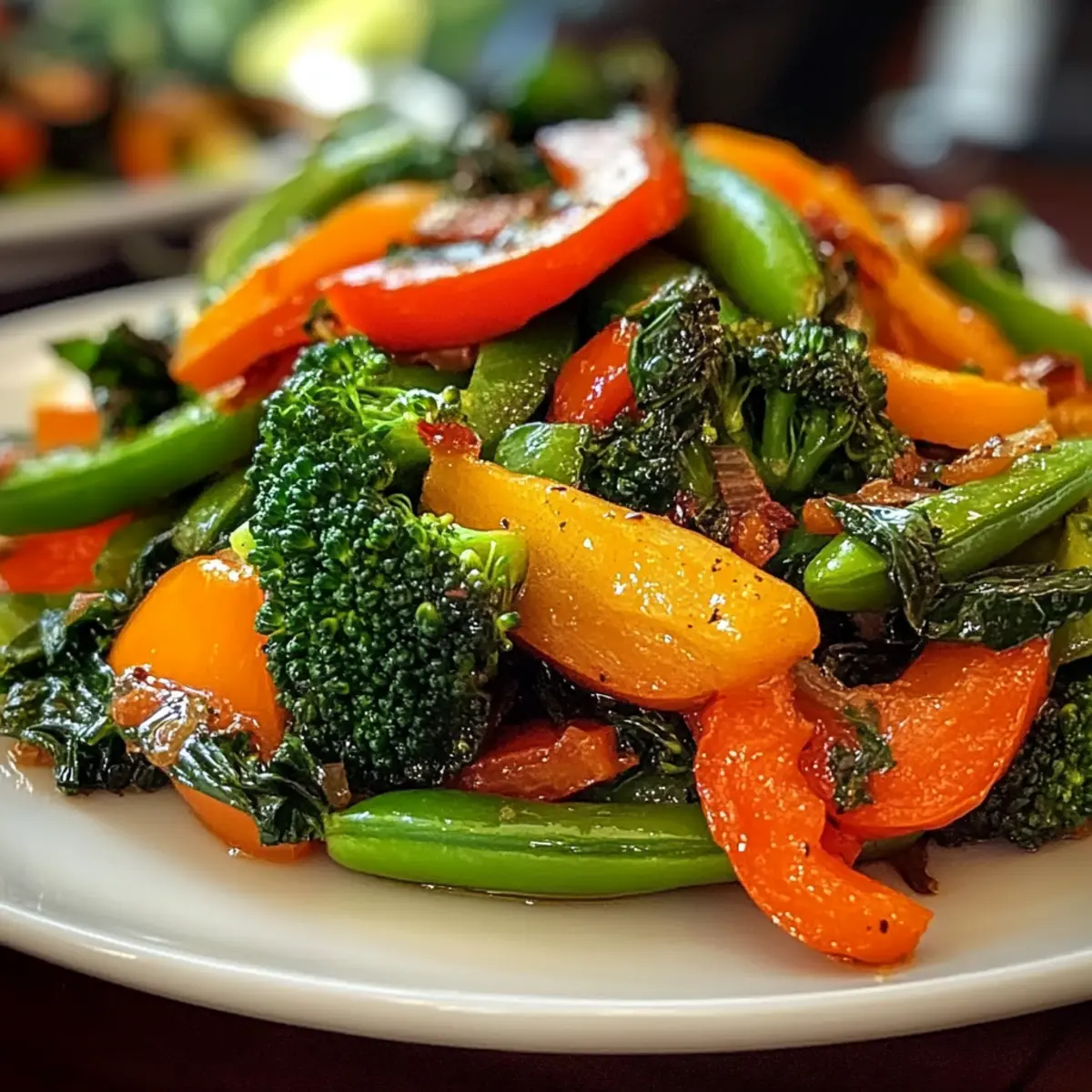
Why Are Healthy Sautéed Vegetables So Appealing?
Vibrant Colors: This dish is a feast for the eyes, showcasing a rainbow of seasonal vegetables that not only look delicious but also invigorate your meals with essential nutrients.
Quick Preparation: Ready in under 30 minutes, this recipe is perfect for busy weeknights when you crave something healthy without spending hours in the kitchen.
Versatile Choices: Feel free to experiment with your favorite veggies; the beauty of this recipe is that it’s adaptable to whatever is in season, just like our Healthy Mediterranean Rice!
Nutrient-Packed: Loaded with vitamins and minerals, this sautéed vegetable medley supports your health goals, making every bite feel good.
Crowd-Pleasing: Whether served as a side or a main dish, these vegetables are sure to please everyone at the table, making it a staple for your family dinners.
Healthy Sautéed Vegetables Ingredients
Unlock the colors and flavors of your plate with these simple ingredients!
For the Base
- Olive Oil – Provides richness and helps sauté the vegetables; can be swapped with avocado oil for a different twist.
- Garlic – Adds aromatic flavor; fresh minced garlic is ideal, while powder works in a pinch.
- Onion – Offers sweetness and depth; substitute with shallots for a milder taste.
For the Medley
- Broccoli florets – Acts as a crunchy, nutrient-dense component; swap with cauliflower for variety.
- Snap peas – Adds sweetness and crispness; green beans could serve as a great alternative.
- Mushrooms – Contributes moisture and earthiness; zucchini is a tasty option if mushrooms aren’t on hand.
- Bell Peppers – Provides vibrant color and sweetness; any color works, and squash cubes can be a fun substitute.
- Zucchini – Softens during cooking, balancing the crunch of other veggies; summer squash can replace it nicely.
For Seasoning
- Salt and Pepper – Essential for seasoning; feel free to experiment with fresh herbs or spices to elevate your Healthy Sautéed Vegetables!
Step‑by‑Step Instructions for Healthy Sautéed Vegetables
Step 1: Prep Vegetables
Begin by washing all your fresh vegetables under cool running water. Chop them into uniform pieces, ensuring they cook evenly. Aim for bite-sized chunks so they’re easy to enjoy! A sharp chef’s knife and cutting board will make this task quick and easy. Set aside your colorful assortment of vegetables, ready to delight in your Healthy Sautéed Vegetables.
Step 2: Heat Oil
In a large skillet or frying pan, heat 2 tablespoons of olive oil over medium-high heat. You’ll know the oil is ready when it shimmers but doesn’t smoke. This should take about 1-2 minutes. Make sure to use a skillet with enough surface area to avoid overcrowding, allowing for perfect sautéing of your vegetable medley.
Step 3: Sauté Aromatics
Once the oil is hot, add 2 minced garlic cloves and half a sliced onion to the pan. Sauté for 1-2 minutes, stirring frequently, until the onions are translucent and the garlic is fragrant. This step infuses the oil with aromatic flavors, forming a delicious base for your Healthy Sautéed Vegetables. Keep an eye on the garlic to ensure it doesn’t burn!
Step 4: Cook Harder Vegetables
Next, toss in the broccoli florets and any tougher vegetables like carrots. Cook these for 3-4 minutes, stirring occasionally until they start to soften but remain crisp. You want them to retain their vibrant green color while mellowing just enough to blend well with the upcoming softer veggies in the medley.
Step 5: Incorporate Softer Vegetables
After the harder vegetables have softened slightly, add bell peppers, zucchini, mushrooms, and snap peas to the skillet. Sauté the mixture for an additional 4-5 minutes until the vegetables are tender-crisp. Stir continuously to allow the flavors to meld beautifully in your Healthy Sautéed Vegetables, creating a colorful and appetizing dish.
Step 6: Season
Finally, season your dish with salt and freshly cracked pepper to taste. If you’d like to brighten the flavors further, add a splash of lemon juice or balsamic vinegar. Stir to combine everything, letting the seasonings enhance the vibrant colors and flavors of the Healthy Sautéed Vegetables. Give everything a final toss, and you’re ready to serve!
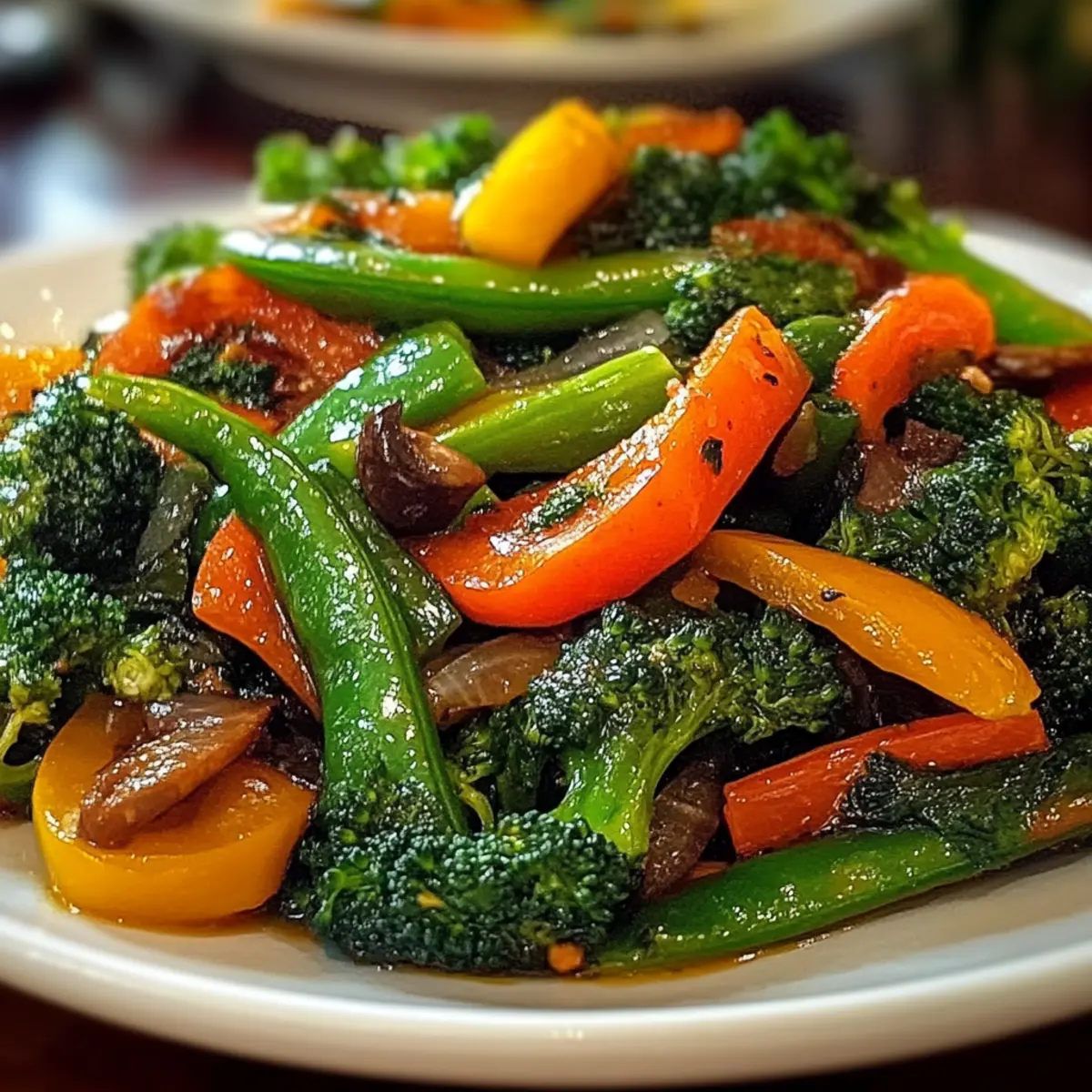
Expert Tips for Healthy Sautéed Vegetables
-
Prep with Care: Cut all vegetables into uniform pieces to ensure even cooking. Uneven sizes can result in some veggies being overcooked while others remain crunchy.
-
Watch the Heat: Maintain medium-high heat when sautéing to achieve a lovely caramelization. Too low, and they’ll steam instead of sauté.
-
Don’t Overcrowd: Sauté in batches if necessary. Overcrowding the pan can create moisture and lead to soggy Healthy Sautéed Vegetables instead of that desired crispness.
-
Season Wisely: Always add salt and pepper at the end of cooking. This helps preserve the vibrant colors and fresh tastes of your vegetables.
-
Explore Substitutions: Feel free to swap in seasonal ingredients for a nuanced flavor profile. Embracing what’s fresh will elevate your Healthy Sautéed Vegetables.
Make Ahead Options
These Healthy Sautéed Vegetables are perfect for meal prep enthusiasts! You can chop and wash all your vegetables up to 24 hours in advance, storing them in an airtight container in the refrigerator to keep them fresh. Additionally, sautéed vegetables can be made ahead and stored for up to 3 days; simply allow them to cool completely before transferring them to the fridge. To maintain quality, avoid overcrowding the pan when reheating to ensure they stay crisp. When ready to serve, reheat them gently in a skillet over medium heat for a quick 5-minute sauté, and enjoy vibrant, delicious veggies without the fuss of last-minute cooking!
What to Serve with Healthy Sautéed Vegetables
Brighten up your mealtime with delightful pairings that elevate your sautéed vegetable medley into a full-fledged feast.
-
Quinoa: This nutty grain provides a hearty base, complementing the crisp textures and vibrant flavors of your vegetables beautifully.
-
Brown Rice: A wholesome choice that’s chewy and filling, brown rice absorbs the medley of flavors, making every bite satisfying.
-
Lemon Herb Chicken: Grilled or baked, this protein packs a punch of flavor and pairs perfectly with the light, fresh taste of sautéed vegetables.
-
Chickpeas: Tossed in for dense protein, they add creaminess and heartiness, creating a filling vegetarian option that’s rich in nutrients.
These colorful vegetables truly shine alongside a variety of textures and tastes.
-
Garlic Bread: Toasted and buttery, it serves as a delectable vessel for those delightful vegetable bits, making each mouthful a pleasure.
-
Crispy Tofu: Adding a crispy crunch while soaking up the vegetable juices makes this protein option a scrumptious companion.
-
Mixed Greens Salad: Light and refreshing, a salad with a zesty vinaigrette enhances your vegetable dish, balancing the flavors beautifully.
-
Chardonnay: A chilled glass of this white wine brings out the vibrant essence of your vegetables, enhancing the overall dining experience.
Whichever combinations you choose, these pairings elevate the Healthy Sautéed Vegetables to new culinary heights!
How to Store and Freeze Healthy Sautéed Vegetables
Fridge: Store any leftovers in an airtight container for up to 3 days. This keeps your Healthy Sautéed Vegetables fresh and ready to enjoy at a moment’s notice.
Freezer: If you want to keep them for longer, freeze in a single layer on a baking sheet, then transfer to a freezer-safe bag. They can be frozen for up to 3 months, preserving their delightful flavors.
Reheating: When ready to eat, thaw in the fridge overnight, then reheat gently in a skillet over medium heat until warmed through. Add a splash of olive oil for extra moisture if needed.
Avoid Sogginess: For the best texture when reheating, consider briefly sautéing them rather than microwaving to maintain that tender-crisp charm of the Healthy Sautéed Vegetables.
Healthy Sautéed Vegetables Variations
Get ready to unleash your creativity with these delightful twists on a classic vegetable medley!
-
Colorful Substitutions: Swap out any vegetable based on what’s in season or simply your favorites. For a summer touch, try fresh zucchini and cherry tomatoes!
-
Protein Boost: For a more filling dish, add cooked chickpeas or diced tofu just before serving. This not only enhances nutrition but adds a hearty touch that keeps everyone satisfied.
-
Spice It Up: Add a pinch of cayenne or red pepper flakes for a little kick. The heat complements the sweetness of the veggies beautifully, taking this dish to a whole new level.
-
Herbal Infusion: Fresh herbs like basil, thyme, or parsley can be tossed in at the end to elevate the flavors dramatically. Their fragrance will make your kitchen smell divine!
-
Creative Sauces: Drizzle some Asian stir-fry sauce or a zesty lemon-tahini dressing over the sautéed vegetables for an exciting flavor profile. Each bite will burst with aromatic delight.
-
Root Veggie Remix: Mix in root vegetables like carrots, sweet potatoes, or turnips for a heartier classic twist. They impart lovely natural sweetness and a cozy texture.
-
Nutty Crunch: Top with toasted nuts like almonds or walnuts for added texture and flavor. Their crunch provides a perfect balance to the soft, sautéed veggies.
-
Seasonal Spices: Embrace the seasons by introducing spices that match—like warm cumin in the fall or bright coriander in the spring! Tailoring spices to the time of year can create a delightful experience.
Each of these variations invites new flavors and textures, making your Healthy Sautéed Vegetables an exciting dish for every occasion. For added inspiration, consider pairing these vibrant veggies with our Honeycrisp Broccoli Salad for a colorful and nutritious feast!
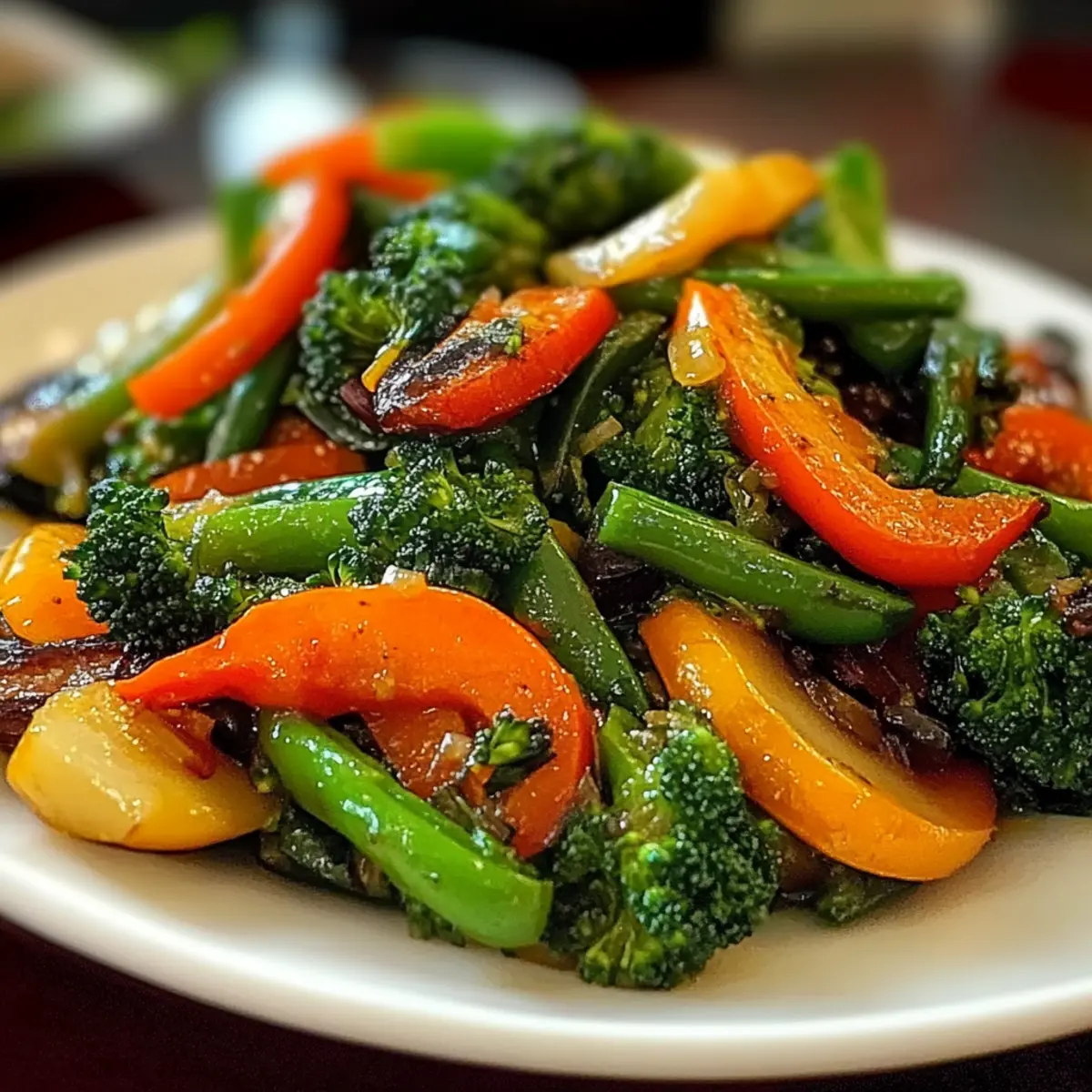
Healthy Sautéed Vegetables Recipe FAQs
What should I look for when selecting vegetables for sautéing?
When choosing vegetables, look for ones that are vibrant and firm. Avoid any with dark spots, wilting, or signs of decay. Prioritize seasonal produce for the best flavor and nutrition, making your Healthy Sautéed Vegetables even more delightful!
How can I store leftovers of my Healthy Sautéed Vegetables?
Leftovers can be stored in an airtight container in the fridge for up to 3 days. This is perfect for meal prep or quick lunches. Just make sure they cool down to room temperature before sealing them in to maintain freshness.
Can I freeze my sautéed vegetables, and if so, how?
Absolutely! To freeze Healthy Sautéed Vegetables, spread them in a single layer on a baking sheet and freeze until solid. Then, transfer them to a freezer-safe bag, removing as much air as possible. They can be kept in the freezer for up to 3 months.
What’s the best way to reheat frozen sautéed vegetables?
For the best texture, thaw your frozen vegetables in the fridge overnight. Then, reheat them gently in a skillet over medium heat with a splash of olive oil until warmed through. This helps to preserve the tender-crisp quality of your Healthy Sautéed Vegetables.
How can I make this dish pet-friendly?
If you wish to make a portion of your Healthy Sautéed Vegetables for your furry friend, simply set aside some cooked veggies, ensuring they are free from salt, garlic, and onion. Carrots, broccoli, and zucchini can be dog-friendly options!
What should I do if my sautéed vegetables turn out soggy?
To avoid sogginess, make sure not to overcrowd your pan while sautéing. Cook in batches if necessary and maintain a high enough heat. If they do become soggy, sauté them briefly again to re-evaporate moisture and help regain some of that delightful crispness.
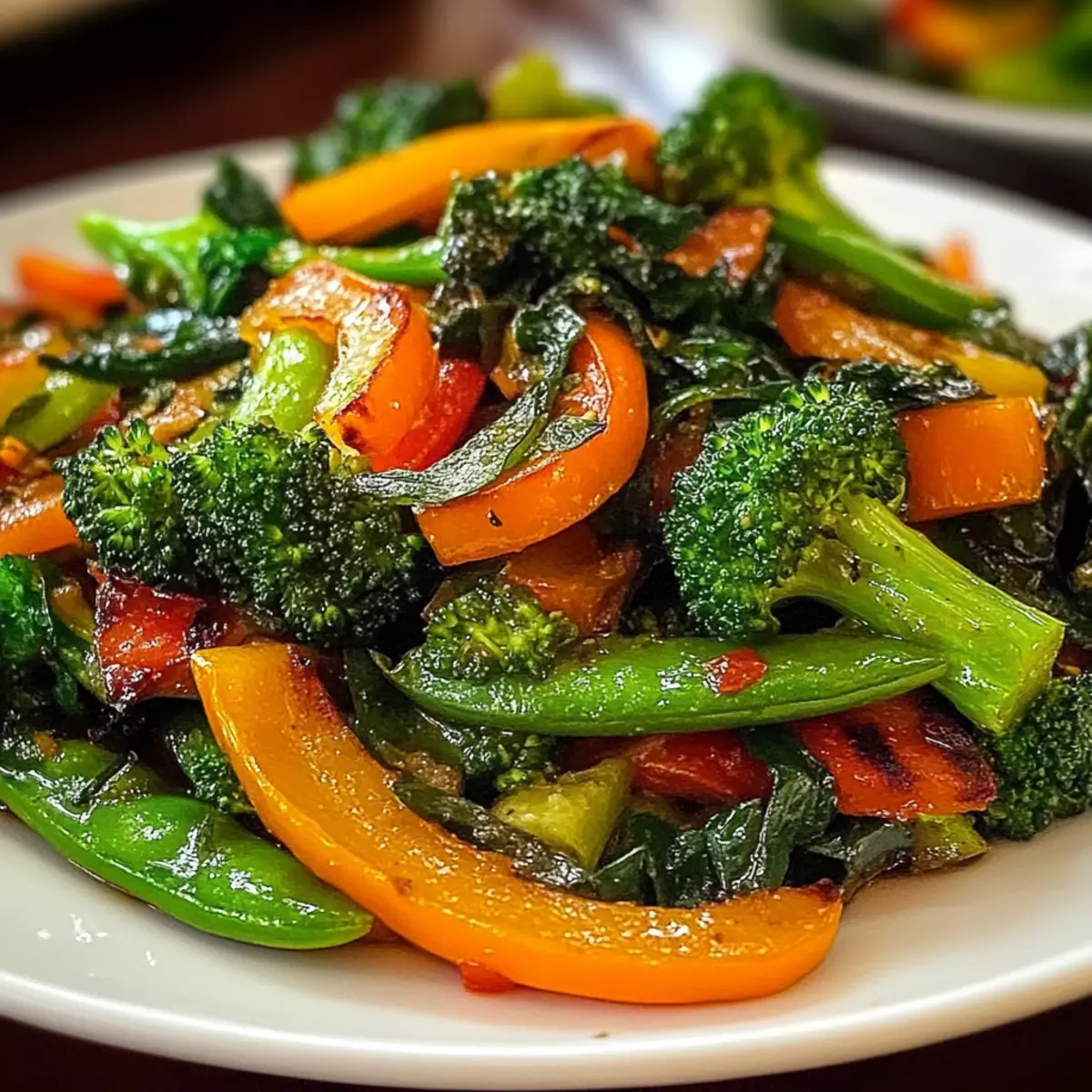
Healthy Sautéed Vegetables for a Vibrant, Nutritious Meal
Ingredients
Equipment
Method
- Begin by washing all your fresh vegetables under cool running water. Chop them into uniform pieces, ensuring they cook evenly.
- In a large skillet, heat 2 tablespoons of olive oil over medium-high heat until shimmering.
- Add 2 minced garlic cloves and half a sliced onion to the pan. Sauté for 1-2 minutes until onions are translucent and garlic is fragrant.
- Next, toss in the broccoli florets and cook for 3-4 minutes, stirring occasionally until they start to soften.
- Add bell peppers, zucchini, mushrooms, and snap peas to the skillet. Sauté for an additional 4-5 minutes until tender-crisp.
- Season with salt and pepper to taste and stir everything to combine. Serve warm.
Leave a Reply