
Last Saturday, while shopping at the farmers’ market, I stumbled upon a vibrant array of fresh vegetables that inspired me to whip up a cozy dish: Vegetable Lasagna. This isn’t just any lasagna; it’s a hearty, comforting blend of full-bodied flavors, creamy ricotta, and luscious marinara sauce layered between no-boil noodles. The beauty of this recipe lies not only in its comforting essence but also in its make-ahead convenience—perfect for both busy weeknights and entertaining friends. Imagine pulling a golden, bubbly lasagna from the oven, ready to impress your guests while also satisfying the veggie lovers among us. What’s your favorite vegetable to add into a lasagna?
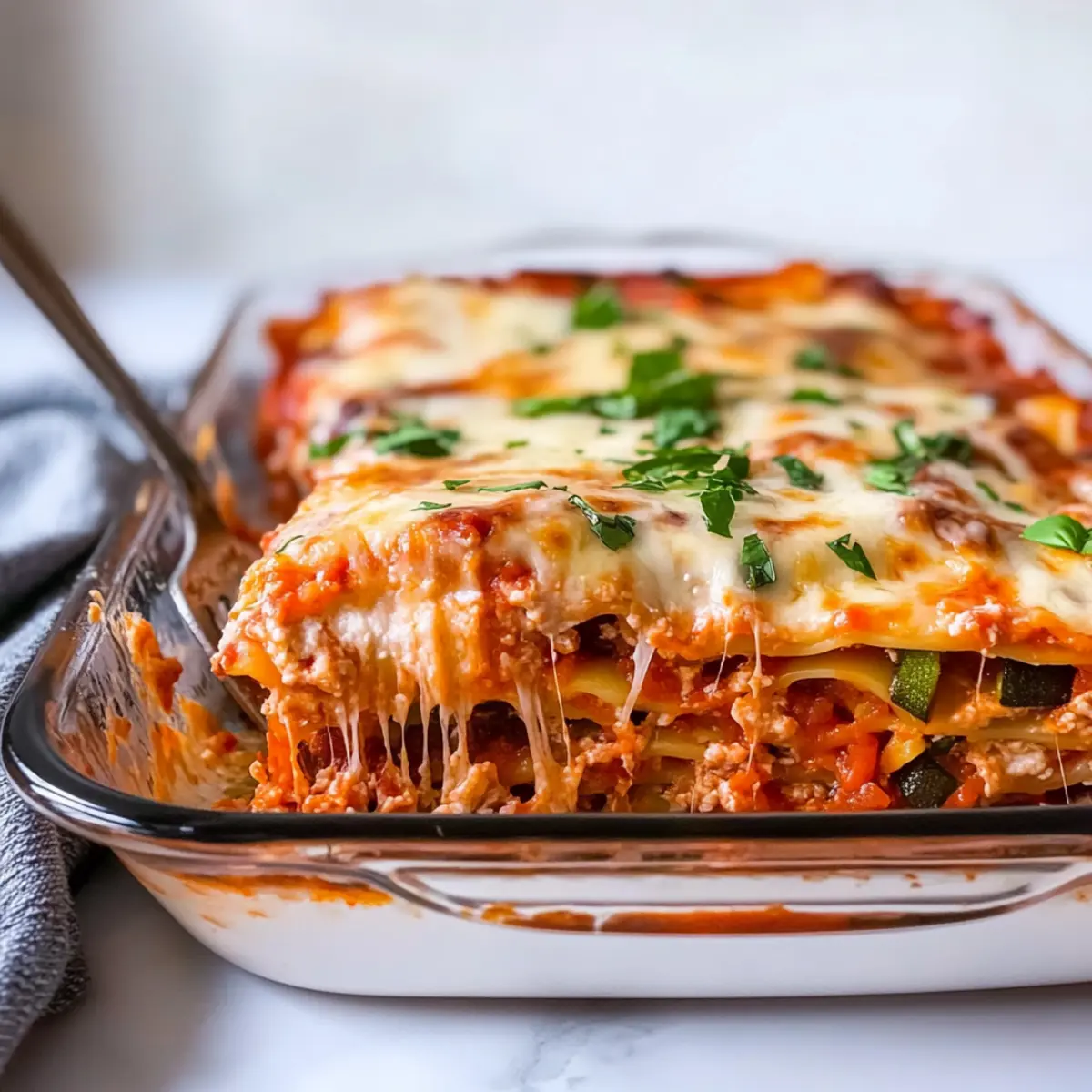
What’s the secret to perfect Vegetable Lasagna?
Simplicity: This recipe utilizes no-boil noodles, making assembly a breeze! You won’t have to fuss over pre-cooking pasta, saving you time and effort.
Delicious Layers: Each bite features hearty vegetables, creamy ricotta, and homemade marinara, creating a rich flavor experience that delights everyone.
Versatile: Feel free to swap in your favorite seasonal vegetables—think eggplant or spinach—to create a personalized dish that showcases your tastes.
Make-Ahead Magic: Prep it a day in advance, and simply bake when you’re ready. It’s perfect for those busy evenings or unexpected guests!
Crowd-Pleasing Comfort: This Vegetable Lasagna is sure to impress; it’s a dish that appeals to both vegetarians and meat lovers alike. Serve with a crisp green salad and warm garlic bread for a complete, memorable meal.
Vegetable Lasagna Ingredients
Discover the perfect combination of ingredients for a hearty vegetarian lasagna!
For the Vegetables
- Olive oil – Provides fat for sautéing vegetables and adds flavor.
- Chopped yellow onion (1 ½ cups) – Adds sweetness and depth to the sauce; yellow onion is preferred, but white onions can also be used.
- Red bell pepper (1) – Contributes sweetness and crunchy texture; any color bell pepper works well.
- Cremini mushrooms (8 ounces) – Adds umami flavor and meaty texture; button mushrooms can be used as a substitute.
- Zucchini (2 medium) – Provides moisture and a slight sweetness; can substitute with eggplant or yellow squash.
- Garlic (4 cloves, minced) – Enhances flavor; fresh garlic is best.
For the Sauce
- Marinara sauce (48 ounces) – Acts as the sauce layer that binds the lasagna; homemade or store-bought versions work well.
- Dried Italian seasoning (1 teaspoon) – Infuses herbal aroma; fresh herbs can be mixed for more intense flavor.
- Salt and pepper – Enhances overall flavor; adjust according to taste.
- Crushed red pepper flakes (2 pinches) – Adds heat to the dish; omit if sensitive to spice.
- Chopped fresh parsley (¼ cup) – Adds freshness and color; basil can also be used.
- Baby spinach (5 ounces, chopped) – Adds nutrients and vibrant color; kale can be a robust substitute.
For the Cheese Filling
- Egg (1) – Binds ricotta for a smooth filling; omit for a vegan version.
- Ricotta cheese (1 cup) – Provides creaminess; cottage cheese can be used as a lower-fat option.
- Shredded mozzarella cheese (16 ounces) – Melts beautifully and adds stretch; fresh mozzarella can provide a gourmet touch.
- Grated Parmesan cheese (½ cup) – Adds nutty flavor and texture; Pecorino Romano can be used for a sharper taste.
For Assembly
- Oven-ready (no-boil) lasagna noodles (9) – Simple assembly with no pre-cooking needed; traditional noodles require cooking before use.
- Fresh basil or parsley (optional) – For garnish to elevate presentation; optional but highly recommended for added flavor.
With this collection of ingredients, your Vegetable Lasagna will be a succulent and satisfying dish, perfect for comforting meals or entertaining guests!
Step‑by‑Step Instructions for Vegetable Lasagna
Step 1: Sauté Vegetables
In a large skillet, heat 2 tablespoons of olive oil over medium-high heat. Once shimmering, add 1 ½ cups of chopped yellow onion, 1 red bell pepper (diced), 8 ounces of chopped cremini mushrooms, and 2 medium diced zucchinis. Sauté for 7-8 minutes until the vegetables are softened and slightly caramelized. Stir in 4 minced garlic cloves and cook for an additional 30 seconds until fragrant.
Step 2: Prepare Sauce
Reduce the heat to low and stir in 48 ounces of marinara sauce, 1 teaspoon of dried Italian seasoning, salt, pepper, and a pinch of crushed red pepper flakes. Allow the mixture to simmer for 10-15 minutes, stirring occasionally. Afterward, fold in 5 ounces of chopped baby spinach, letting it wilt into the sauce, creating a rich base for your Vegetable Lasagna.
Step 3: Mix Ricotta Filling
In a medium bowl, beat 1 egg until well combined. Then add in 1 cup of ricotta cheese and mix until smooth and creamy. This mixture will provide a luscious layer to your lasagna, enhancing its texture and flavor. Set this aside while preparing to layer the lasagna.
Step 4: Layer Lasagna
Preheat your oven to 375°F (190°C). In a 9×13-inch baking dish, spread 1 cup of the marinara sauce on the bottom. Place 3 oven-ready lasagna noodles on top, followed by half of the ricotta mixture, and a third of the 16 ounces of shredded mozzarella and ½ cup of grated Parmesan cheese. Repeat the layers, finishing with the noodles topped with remaining sauce, mozzarella, and Parmesan.
Step 5: Bake
Cover the assembled lasagna tightly with aluminum foil and place it in the preheated oven. Bake for 35 minutes, then carefully remove the foil. Continue baking for an additional 10-15 minutes until the top is bubbly and golden brown, and the sauce is visible on the sides.
Step 6: Rest & Serve
Once baked to perfection, take the Vegetable Lasagna out of the oven and let it rest for 15 minutes before slicing. This resting period allows the layers to set beautifully, making it easier to serve. Garnish with fresh basil or parsley if desired, and enjoy this hearty, satisfying dish!
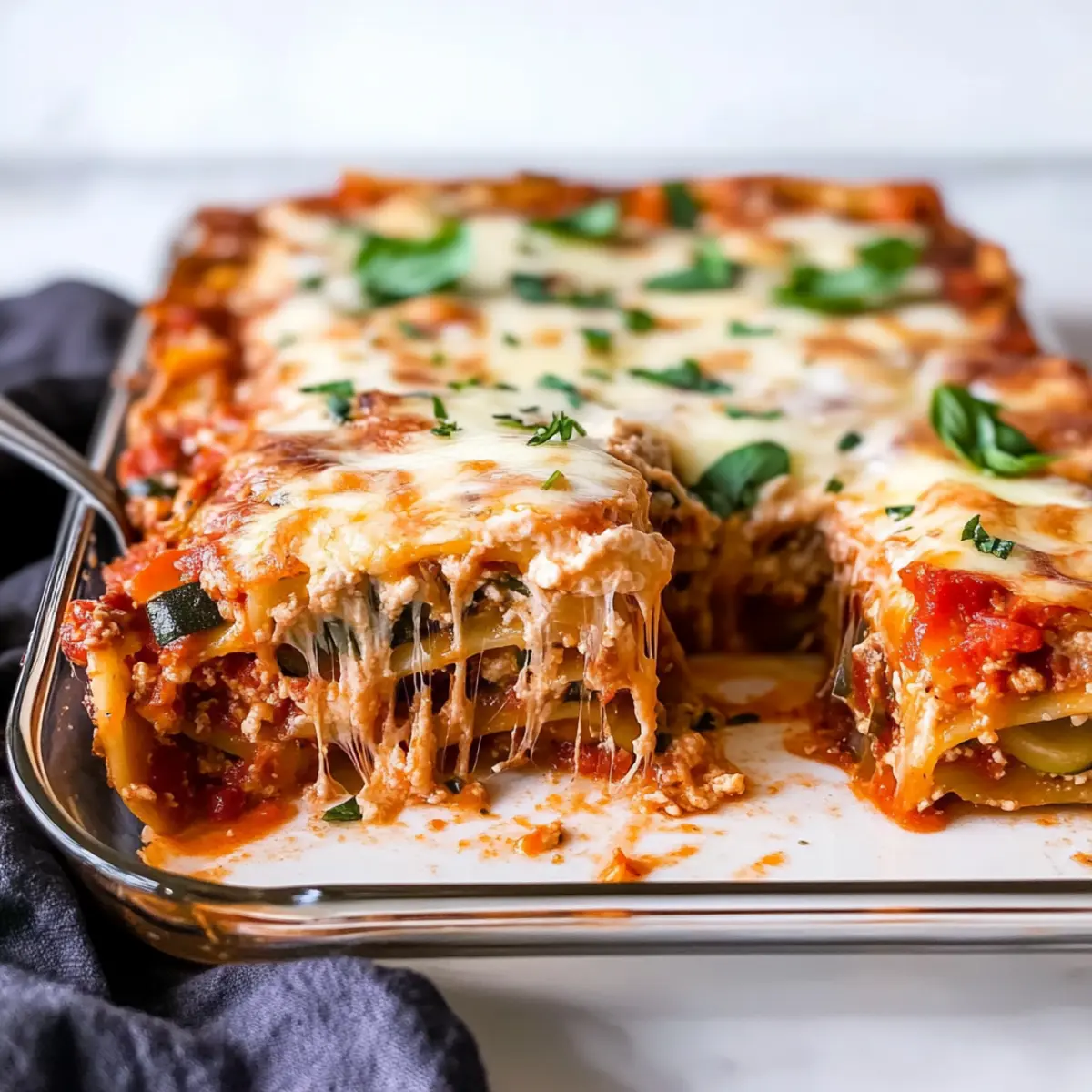
Storage Tips for Vegetable Lasagna
Fridge: Store leftover vegetable lasagna in an airtight container for up to 3-4 days. This keeps it fresh and ready for quick meals during the week.
Freezer: For longer storage, freeze individual portions of vegetable lasagna by wrapping tightly in plastic wrap and placing in a freezer-safe container. It can be stored for up to 3 months.
Reheating: To reheat, thaw in the fridge overnight, then bake at 350°F (175°C) until heated through, approximately 25-30 minutes. Alternatively, you can microwave individual servings for convenience.
Enjoying Leftovers: When serving leftovers, consider adding a sprinkle of fresh herbs or an additional layer of cheese before baking for an extra flavor boost!
Tips for the Best Vegetable Lasagna
Prep Ahead: Start it a day in advance; this not only saves time but enhances the flavors as they meld in the fridge.
Layer Smart: Always start with sauce at the bottom. This prevents noodles from sticking and ensures even cooking in your Vegetable Lasagna.
Avoid Soupy Layers: Let the cooked lasagna rest for at least 15 minutes; this helps the layers set and prevents excess moisture when serving.
Stay Creative: Feel free to substitute your favorite vegetables, like spinach or eggplant, and explore different cheese options for a unique twist.
Check for Doneness: Bake covered with foil to retain moisture, then uncover to achieve a bubbly, golden top; keep an eye on it to avoid over-baking.
Vegetable Lasagna Variations & Substitutions
Feel free to personalize this delicious dish with tempting swaps and adaptations that suit your taste buds!
- Gluten-Free Noodles: Use gluten-free lasagna noodles to make this recipe accessible for those with dietary restrictions.
- Cheese Lovers: Swap in a blend of mozzarella and fontina for an extra creamy texture and rich flavor. Fontina melts beautifully!
- Spicy Kick: Add chopped jalapeños or crushed red pepper flakes for a fiery touch to suit your heat preference.
- Extra Protein: Fold in cooked lentils or chickpeas for added protein and heartiness; they blend perfectly with the vegetable layers.
- Creamy Vegan Option: Replace ricotta with cashew cream or tofu blended with nutritional yeast for a vegan twist.
- Seasonal Veggies: Feel free to mix in seasonal vegetables like butternut squash in the fall or asparagus in the spring for variety!
- Herbal Infusion: Enhance flavor with fresh herbs like basil or oregano in the sauce or between the layers, creating a fragrant, flavorful lasagna.
- Smoky Flavor: Try adding smoked gouda to the cheese layers for a unique twist that adds depth and richness.
With these variations, your Vegetable Lasagna becomes a canvas for your culinary creativity! Whether you’re looking for a hearty meal or a lighter option, feel free to make it your own. Try it paired with a fresh garden salad or warm garlic bread for a complete meal. And if you’re a fan of home-cooked favorites, check out this simple guide on how to make a classic marinara sauce to elevate your dish further!
Make Ahead Options
These Vegetable Lasagna layers are perfect for meal prep enthusiasts! You can assemble the entire dish up to 24 hours in advance, simply covering it tightly with plastic wrap or foil to prevent drying. The sauce and fillings can also be prepped 3 days ahead; just store them separately in the refrigerator. When you’re ready to serve, bake your lasagna straight from the fridge, adding about 15 minutes to the initial baking time to ensure it’s heated through. With this method, you’ll enjoy the same delicious, hearty flavors without the last-minute rush, making it ideal for busy weeknights or entertaining guests.
What to Serve With Vegetable Lasagna
Set the scene for a cozy dinner with delightful sides that will elevate your Vegetable Lasagna experience.
-
Fresh Green Salad: A crisp salad of mixed greens, cucumbers, and tomatoes brings a refreshing contrast to the lasagna’s richness. The light dressing enhances flavors without overpowering.
-
Garlic Bread: Warm, toasted garlic bread is perfect for soaking up the marinara sauce, providing a crunchy contrast to the creamy layers of the lasagna. Every bite is a taste of comfort!
-
Roasted Vegetables: Seasoned and roasted seasonal veggies, like carrots and Brussels sprouts, add a delightful earthiness that complements the flavors of the lasagna beautifully.
-
Grilled Eggplant Slices: Smoky and tender, grilled eggplant provides a lovely side that echoes the lasagna’s ingredients, enhancing the overall Mediterranean flair of the meal.
-
Red Wine: A glass of medium-bodied red wine, such as Chianti or Merlot, pairs wonderfully and enhances the meal’s flavors, making it feel like a true Italian feast.
-
Tiramisu: For dessert, a classic tiramisu satisfies the sweet tooth while delivering soft, creamy layers that mirror the lasagna’s comforting essence. A perfect finale!
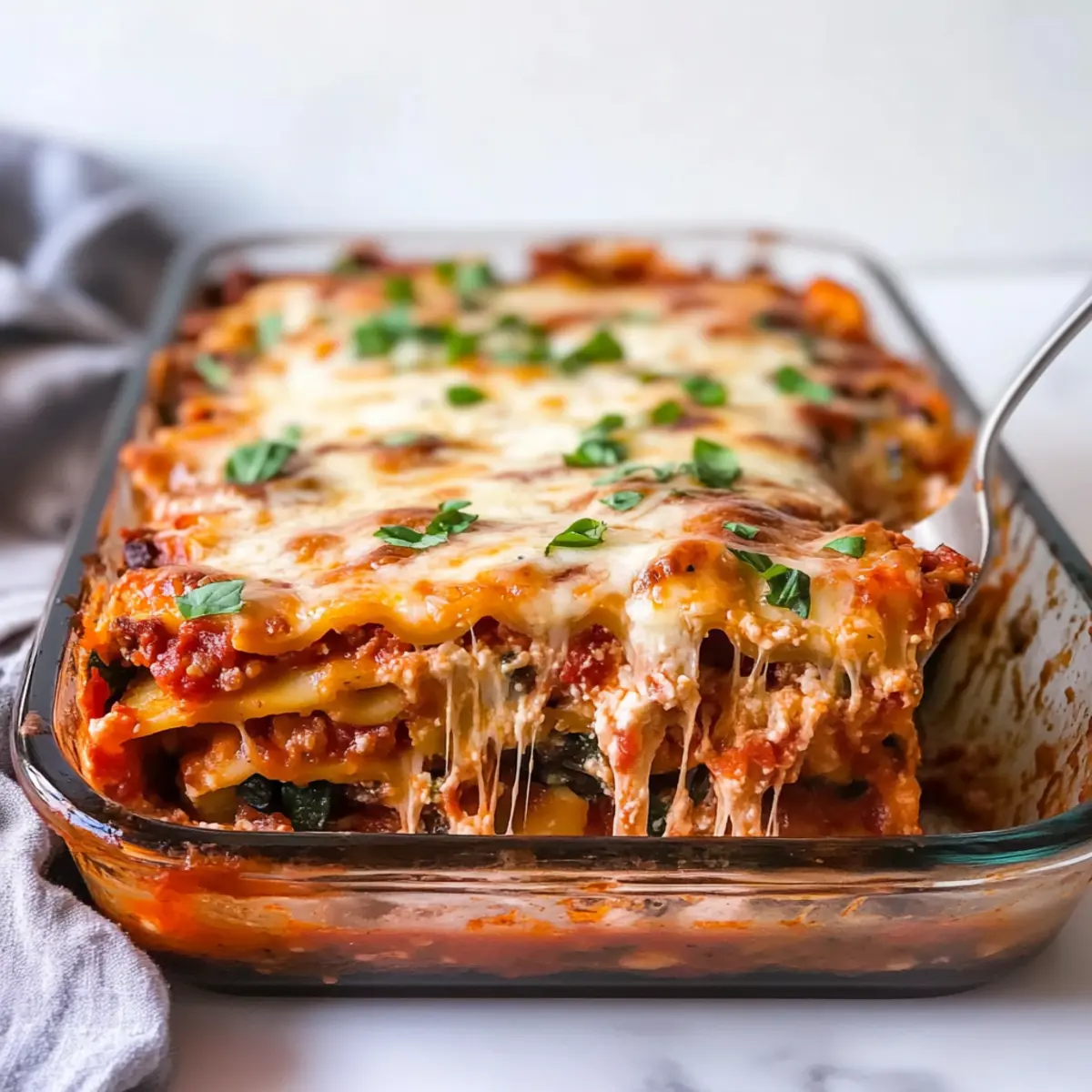
Vegetable Lasagna Recipe FAQs
How do I choose the best vegetables for my lasagna?
Absolutely! Opt for vegetables that are fresh and vibrant. Look for zucchini that is firm without dark spots, and mushrooms that are plump and smooth. Bell peppers should be free of wrinkles, and onions should feel heavy for their size. This ensures you get the most flavor and texture in your Vegetable Lasagna.
What is the best way to store leftover Vegetable Lasagna?
For maximum freshness, store any leftover Vegetable Lasagna in an airtight container in the fridge for up to 3-4 days. If you have a larger batch, I recommend dividing it into individual portions to keep it fresh and ready for quick meals throughout the week!
Can I freeze Vegetable Lasagna, and how do I do it?
Yes, you can! To freeze your Vegetable Lasagna, wrap individual portions tightly in plastic wrap and place them in a freezer-safe container. It can be stored for up to 3 months. When you’re ready to enjoy it, thaw in the fridge overnight, then reheat in the oven at 350°F (175°C) for about 25-30 minutes until heated through. It’s like a cozy meal waiting for you!
What should I do if my lasagna comes out watery?
Very! If your Vegetable Lasagna ends up too watery, it might be due to excess moisture from the vegetables or sauce used. To combat this, you can try sautéing your vegetables for a little longer to ensure they release less liquid. Additionally, allowing the lasagna to rest for at least 15 minutes after baking is crucial, as it helps set the layers and absorb excess moisture.
Is this Vegetable Lasagna suitable for people with dairy allergies?
For those avoiding dairy, you can easily modify the recipe! Omit the egg in the ricotta filling and use vegan cheese alternatives. There are delicious plant-based ricottas made from nuts or tofu that can keep the creamy texture intact. Always check labels for hidden dairy in store-bought sauces as well. Enjoy the wholesome goodness tailored to your dietary needs!
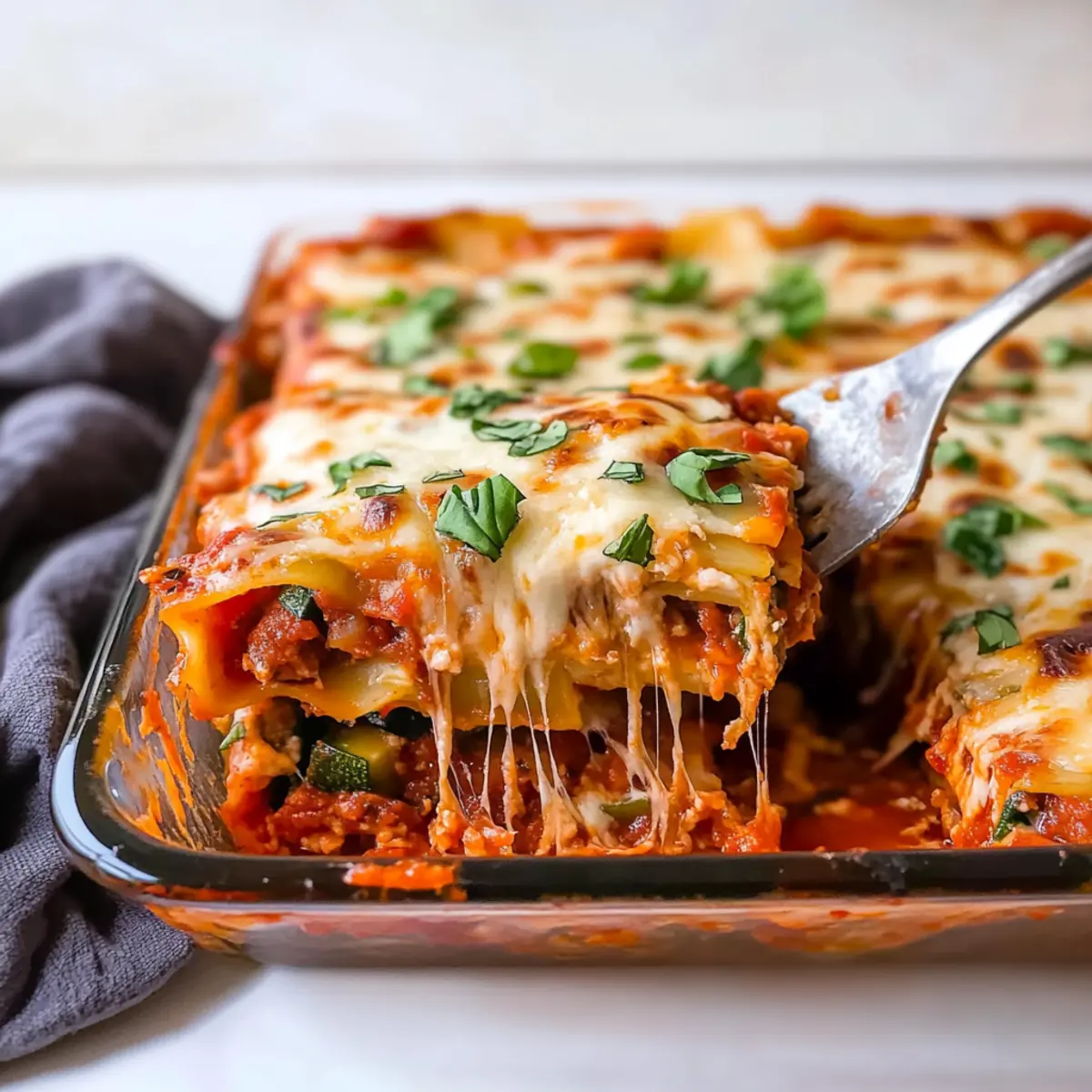
Irresistible Vegetable Lasagna - Cozy Comfort, No-Boil Magic
Ingredients
Equipment
Method
- In a large skillet, heat 2 tablespoons of olive oil over medium-high heat. Add 1 ½ cups of chopped yellow onion, 1 red bell pepper (diced), 8 ounces of chopped cremini mushrooms, and 2 medium diced zucchinis. Sauté for 7-8 minutes until softened and slightly caramelized. Stir in 4 minced garlic cloves and cook for an additional 30 seconds until fragrant.
- Reduce heat to low. Stir in 48 ounces of marinara sauce, 1 teaspoon of dried Italian seasoning, salt, pepper, and a pinch of crushed red pepper flakes. Simmer for 10-15 minutes, stirring occasionally. Fold in 5 ounces of chopped baby spinach, letting it wilt into the sauce.
- In a medium bowl, beat 1 egg until well combined. Add in 1 cup of ricotta cheese and mix until smooth and creamy.
- Preheat your oven to 375°F (190°C). Spread 1 cup of marinara sauce on the bottom of a 9x13-inch baking dish. Place 3 oven-ready lasagna noodles on top, followed by half of the ricotta mixture, and a third of the 16 ounces of shredded mozzarella and ½ cup of grated Parmesan cheese. Repeat the layers, finishing with the noodles topped with remaining sauce, mozzarella, and Parmesan.
- Cover the assembled lasagna tightly with aluminum foil and bake for 35 minutes. Carefully remove the foil and continue baking for an additional 10-15 minutes until bubbly and golden brown.
- Let the lasagna rest for 15 minutes before slicing. Garnish with fresh basil or parsley if desired.
Leave a Reply